
REGULATORY INFORMATION
System Operator incentives – Why They Matter
As the System Operator (SO) of the gas National Transmission System (NTS), National Gas is subject to regulatory incentives, which encourage us to maintain and improve our operational efficiency.
Why do we have SO incentives?
SO incentives replicate the commercial pressures that would typically exist in a fully competitive market. These financial and reputational performance measures are established by our regulator, Ofgem, to drive behaviours that deliver value for consumers and stakeholders.
How are SO incentives set?
SO incentives are reviewed and renegotiated at defined intervals under Ofgem’s regulatory framework for gas, known as RIIO (Revenue = Incentives + Innovation + Outputs). Some incentive schemes have been in place prior to the RIIO framework.
- The RIIO framework was first introduced during the RIIO-1 price control period (2013–2021).
- It was reset for RIIO-2 (2021–2026).
- The current framework applies to RIIO-3 (2026–2031).
Our SO incentives today
The RIIO-3 price control period started in April 2026 and lasts for five years. Under this framework, we have agreed a set of outputs with our stakeholders and deliver these in return for an allowance agreed Ofgem.
Summary on Financial and Reputational Incentives
Most of our current incentives, whether financial or reputational are aligned to the System Operator (SO) side of the business, with Customer and Stakeholder Satisfaction and the Environmental Action Plan incentives being led by National Gas Transmission (NGT).
Financial Incentive include the following:
- Capacity Constraint Management - ensures we maximise the capacity available to users of the network over and above our obligations, reduce the number of constraints or manage those constraints that do arise when capacity exceed the physical capability of the network.
- NTS Shrinkage - encourages efficient trading when we replace the gas we use to management the system.
- Demand Forecasting - to provide a demand forecast ahead of the demand day, this incentive is to be as accurate as possible with that demand, as this forecast feeds into Shippers forecasting processes for balancing demand requirements.
- Residual Balancing - should we need to step into the market to ensure our system remains in our operational parameters.
- Maintenance - encourages us to maximise alignment of our maintenance alongside our customers and minimise changes to that agreed plan.
- Greenhouse Gas Emissions - encourages us to consider the environmental impact of our network use and maintenance operations.
Reputational incentives include the following:
- Data Publication - obligations that drive high standards in how we provide information to the market, and encourages high‑quality, timely and transparent publication of operational data.
- UAG (Unaccounted for Gas) - reporting, which reinforces accountability and transparency around system losses.
- Demand forecasting (two-to-five day ahead) - forecasting demand for two to five days ahead helps the industry make efficient decisions.
- Operating Margins (OM) - used to manage the short‑term impacts of operational stresses when market responses are insufficient, or to provide support during system events where immediate intervention is required.
This reflects that our performance is driven not only by the formal financial mechanisms within the RIIO framework, but equally by our reputation, stakeholder confidence, and operational excellence. Taken together, these incentives highlight that our focus extends well beyond monetary outcomes. Our reputation, quality of service, and the trust placed in us by stakeholders are central to how our performance is evaluated.
Further incentive development
Our new environmental incentive schemes, Greenhouse Gas Pipeline Emissions and Greenhouse Gas Fugitive Emissions are currently undergoing baselining and further consultation within RIIO-3. Performance measures for these schemes will be finalised as part of the ongoing RIIO-3 process led by Ofgem, with implementation expected from year 3 of the price control period.
General overview and performance
For a general overview of gas SO incentives, and to view our performance across quarters and annually please refer to our supporting information documents.
Please refer to our supporting information documents, under the SO incentives: quick link header.
Details of previous consultations and schemes are available under Data and Documents below.
Financial SO incentives
Constraint Management
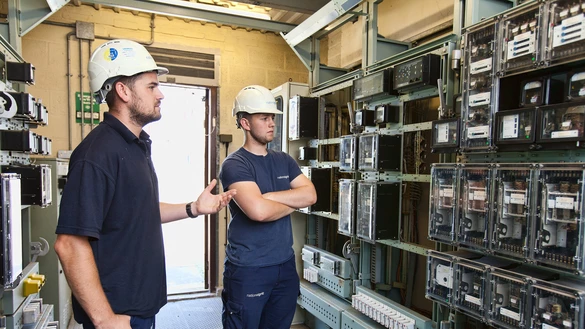
National Gas has processes in place to manage constraints on the gas National Transmission System (NTS).
Find out more
NTS Shrinkage
We are responsible for minimising energy costs associated with operating the network by efficiently managing the procurement of energy.
Find out more
Demand Forecasting (day-ahead)
We provide a demand forecast ahead of each Gas day and for the next 5 days to aid the industry in making efficient decisions in balancing their portfolios. We are financially incentivised on the accuracy of our day-ahead demand forecasts.
Find out more
Residual Balancing
In our role as the Residual Balancer, we may take residual balancing actions to balance supply and demand on the gas day by buying or selling gas via the On the Day Commodity Market (OCM).
Find out more
Maintenance
Maintenance is an essential part of our role in keeping the high-pressure gas National Transmission System (NTS) safe, fit for purpose and operating efficiently and economically in line with our regulatory obligations.
Greenhouse Gas (GHG) emissions
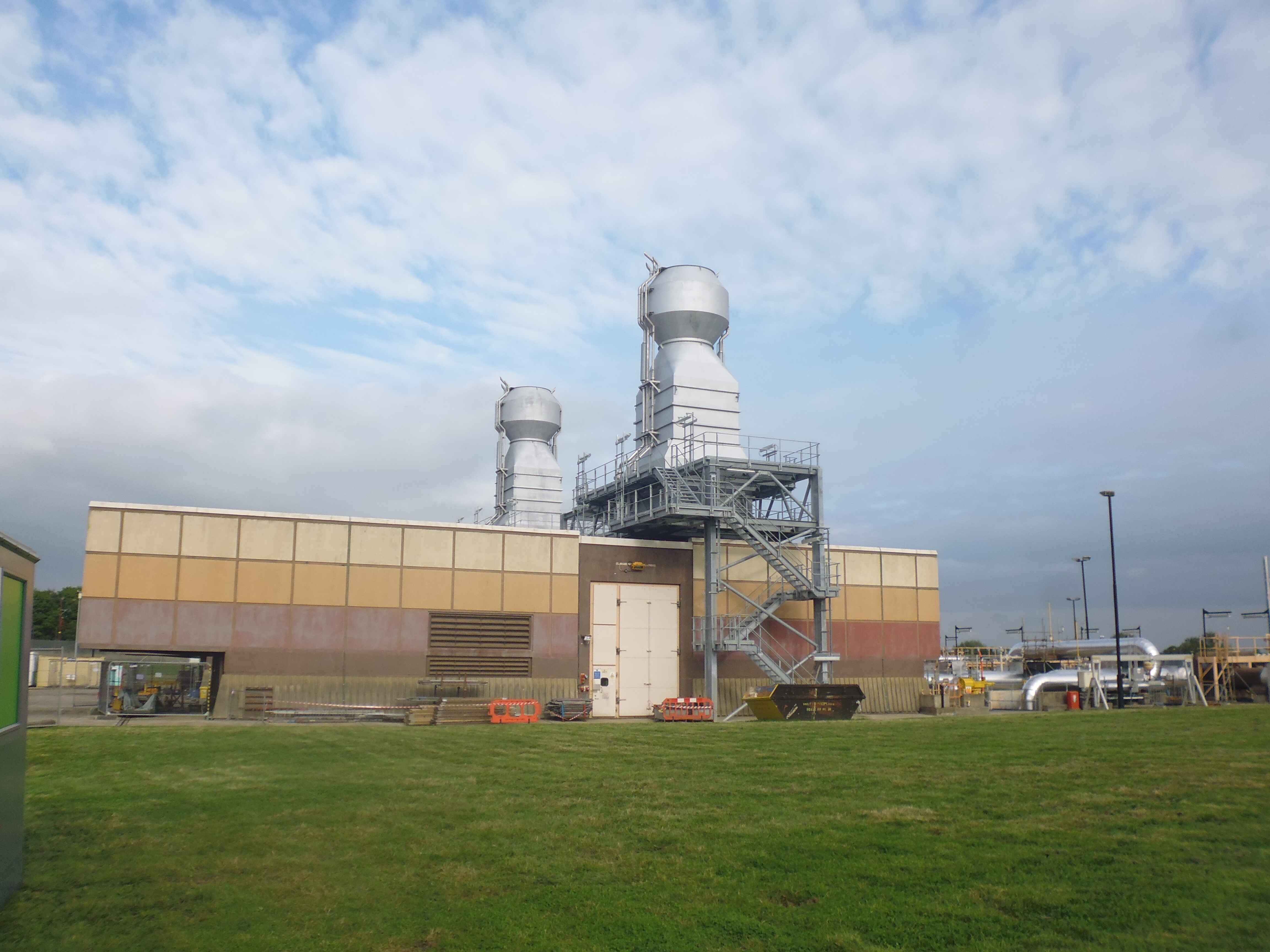
We are incentivised to reduce the quantity of greenhouse gases emitted from our compressors, which represent the most significant source of methane venting on the gas transmission network.
Find out moreReputational SO incentives
Operating Margins (OM)
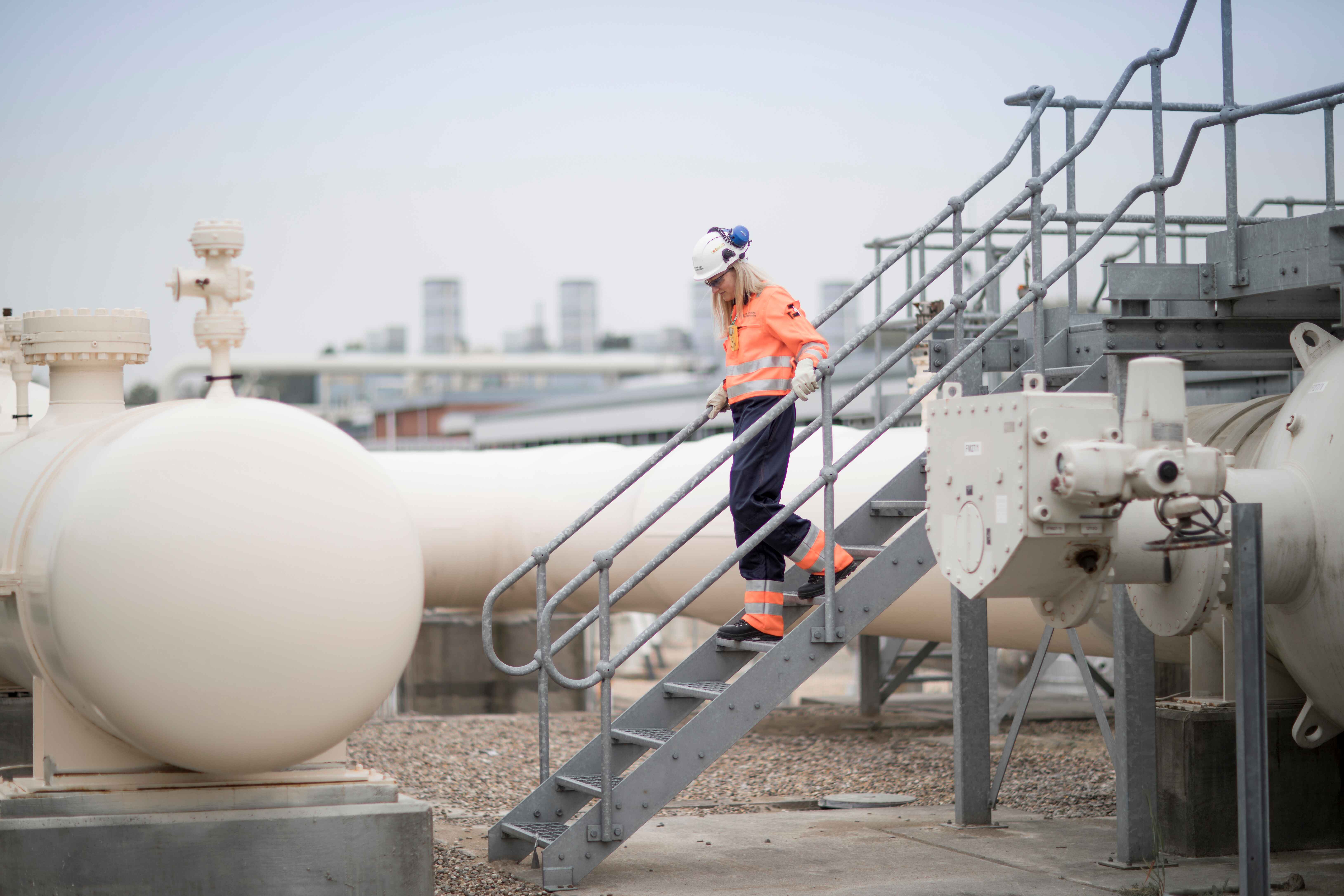
Operating Margins are used to manage the short‑term impacts of operational stresses when market responses are insufficient, or to provide support during system events where immediate intervention is required.
Find out moreData and documents
RIIO-2 DIRECTORY
Open meetings:
Following the publication of the Draft Deteminations, Ofgem hosted a series of nine open meetings to discuss company (Gas Distribution, Transmission and Energy System Operator) responses to the Draft Determinations consultation, strategically discuss key areas of contention and raise areas for clarification ahead of Ofgem’s final determinations. The NGGT open meeting was held on 16 October 2020.
You can access the recordings and transcripts for all meetings.
Core response
Incentive development
Development
Most of the incentive schemes agreed for the RIIO-T2 price control period (2021-2026) were set for an five year period but some reputational incentives contain reopeners to see if National Grid should be rewarded if the activities substantially change over the price control period.
Review dates
| Scheme | Expiration date | Scope |
|---|---|---|
| Transportation Support Services | October 2018 | Scheme expires 10/18 |
| Demand forecasting D-1 incentive | 01 April 2021 | Scheme expires 31/03/21 |
| Demand forecasting D-2 to D-5 incentive | 01 April 2021 | Scheme expires 31/03/21 |
| Greenhouse gas incentive | 01 April 2021 | Scheme expires 31/03/21 |
| Maintenance | 01 April 2021 | Scheme expires 31/03/21 |
| NTS shrinkage | 01 April 2021 | Scheme expires 31/03/21 |
| Residual balancing | 01 April 2021 | Scheme expires 31/03/21 |
| Operating margins | 01 April 2021 | Scheme expires 31/03/21 |
| Unaccounted for gas | 01 April 2021 | Scheme expires 31/03/21 |
| Information provision | 01 April 2021 | Scheme expires 31/03/21 |
Shallow Incentives Review (2017)
- Shallow Incentives Review: Review of the maintenance, demand forecasting for two-to-five days ahead, and greenhouse gas emissions schemes. (June 2017)
- Shallow Incentives Proposal: (August 2017)
- Shallow Incentives Conclusions Report: (October 2017)
Operating Margins Incentive Proposal (2017)
Download the following documents to find out more.
- Operating Margins Incentive Proposal Consultation on the potential re-introduction of a financial incentive for Operating Margin's costs designed to help ensure that the costs customers pay for Operating Margins are kept to a minimum. (August 2017)
- Operating Margins Incentive Consultation Outcome (November 2017)
Shallow Incentives Review (2014)
Download the following documents to find out more.