
04 November 2026
Energy minister visits one of Britain’s busiest gas compressors
At the heart of Scotland’s Central Belt is Avonbridge Compressor Station, home to some of Britain’s busiest jet engines, responsible for propelling around 30% of Britain’s gas.
The Compressor Station is a critical part of the National Transmission System (NTS), helping to transport the North Sea gas that arrives at St Fergus after passing through Aberdeen and Kirriemuir Compressor Stations.
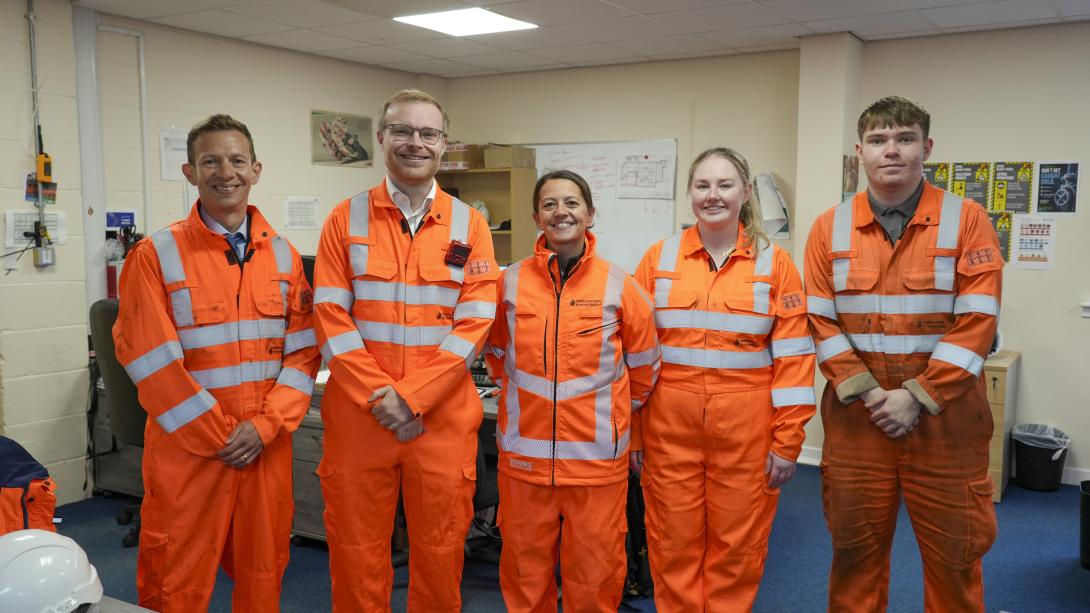
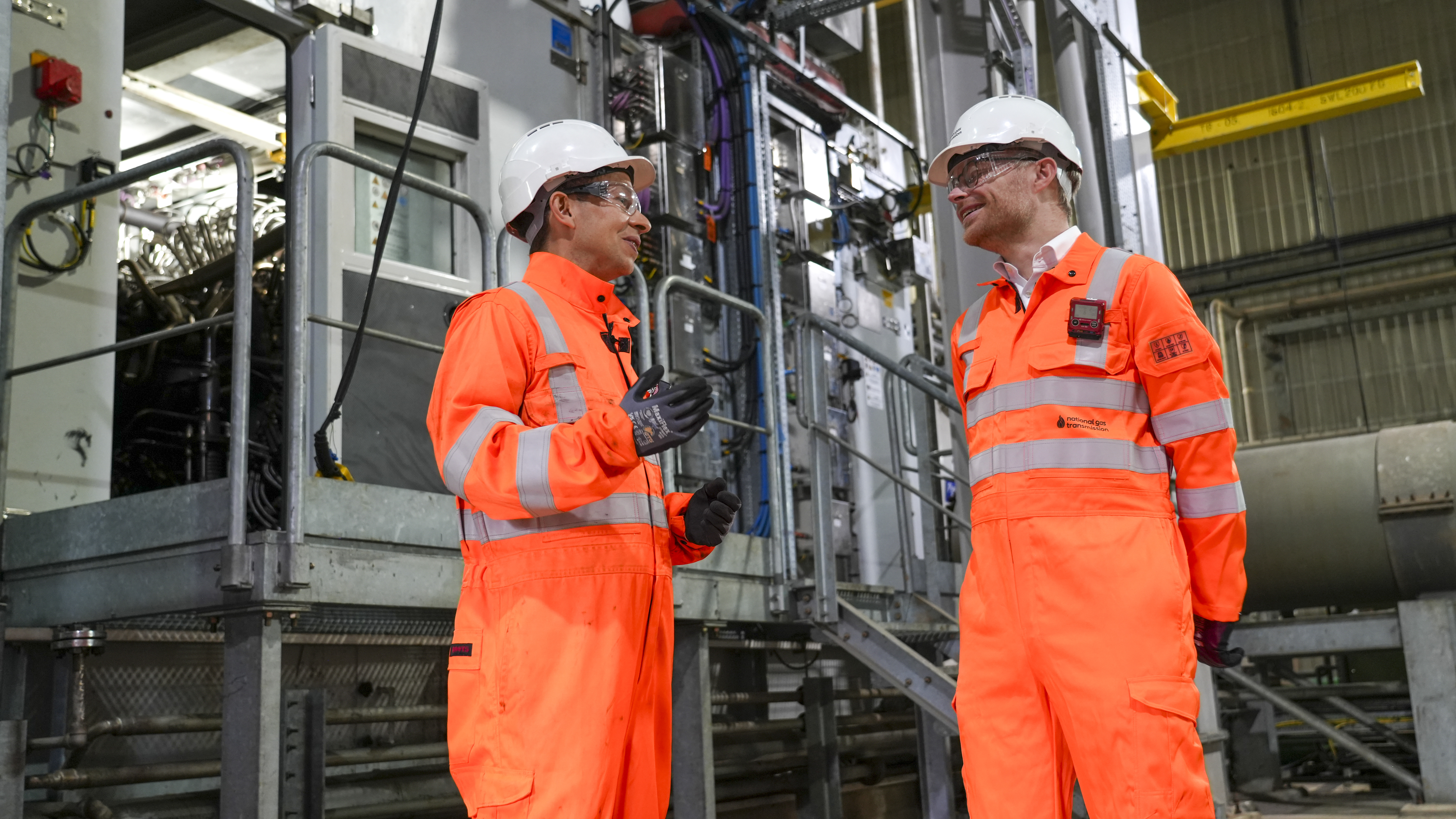
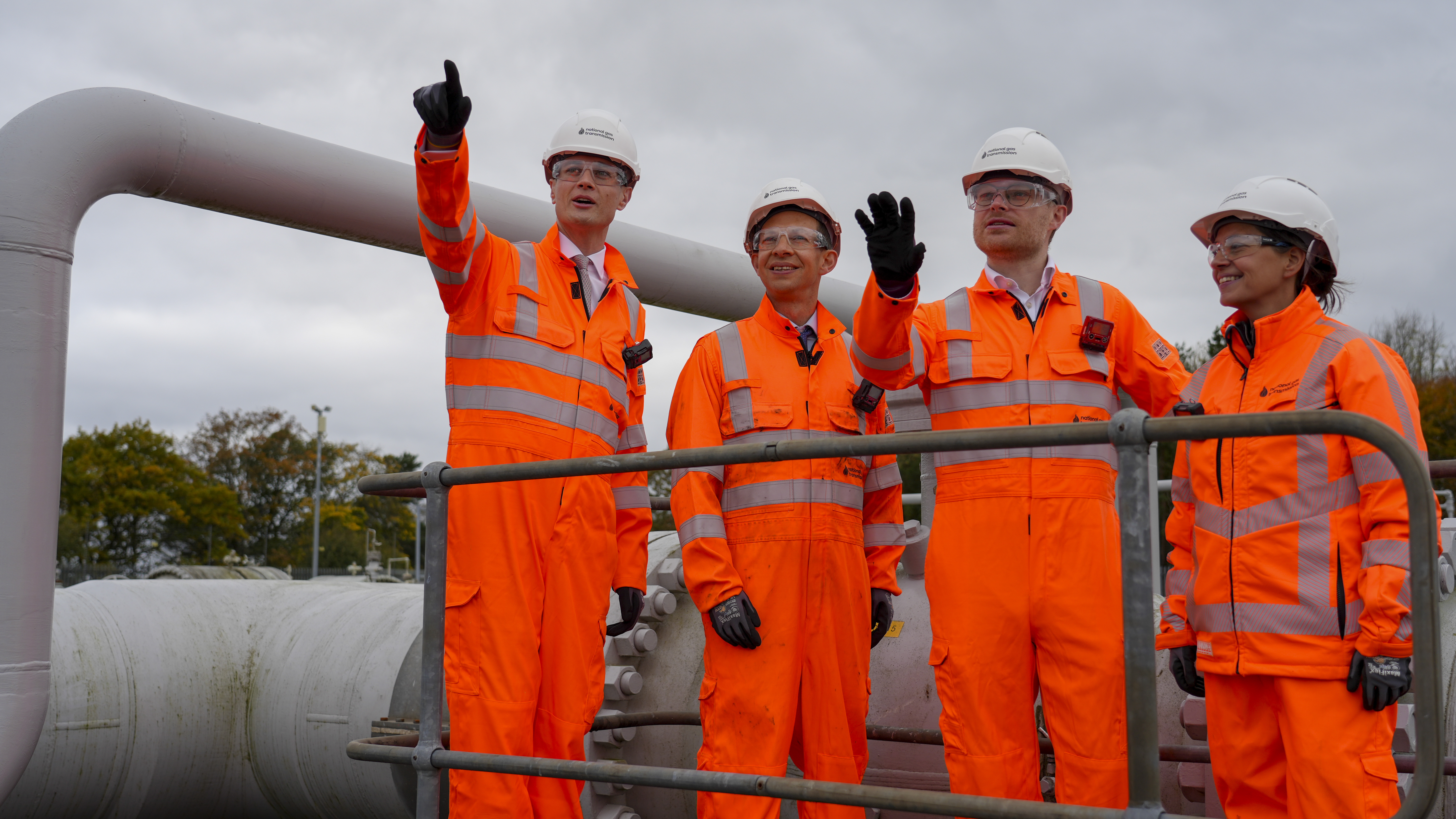
On Thursday 29 October, we were pleased to welcome Michael Shanks MP, Minister of State for Energy in the Department for Energy Security and Net Zero, to Avonbridge Compressor Station.
During the visit he saw the compressor units and thanked the team who are working diligently to keep Britain’s gas flowing this winter. He also met with apprentices who will help ensure the NTS transports gas for generations to come.
This winter Britain is expected to have sufficient gas supply capability to meet forecast demand (find out more about the National Gas Winter Outlook).
National Gas’ Compressor Stations
Compressor stations are the ‘engines’ that power the NTS. Each compressor station is comprised of two or more compressor units – which are industrial versions of jet engines. Acting in a similar way to a large fan, they keep gas moving at speeds of up to 25 miles per hour, ensuring it can rapidly reach its end destination.
Avonbridge is part of a fleet of 21 compressor stations that transport gas through an underground network of 5,000 miles of pipeline across Britain.
It has been a critical part of the NTS for almost 50 years. Commissioned in 1979, it is one of three compressor stations forming a chain from the North to the South of Scotland, responsible for transporting the gas that arrives at the St Fergus Terminal in Aberdeenshire down through the country to keep the lights on, businesses running, and homes warm.
Related news
View Media & Insights
16 October 2026
How colleagues are helping tackle loneliness in communities across the UK
Find out more