11 December 2025
From Trials to Transformation: How blending hydrogen will unlock Britain's hydrogen economy
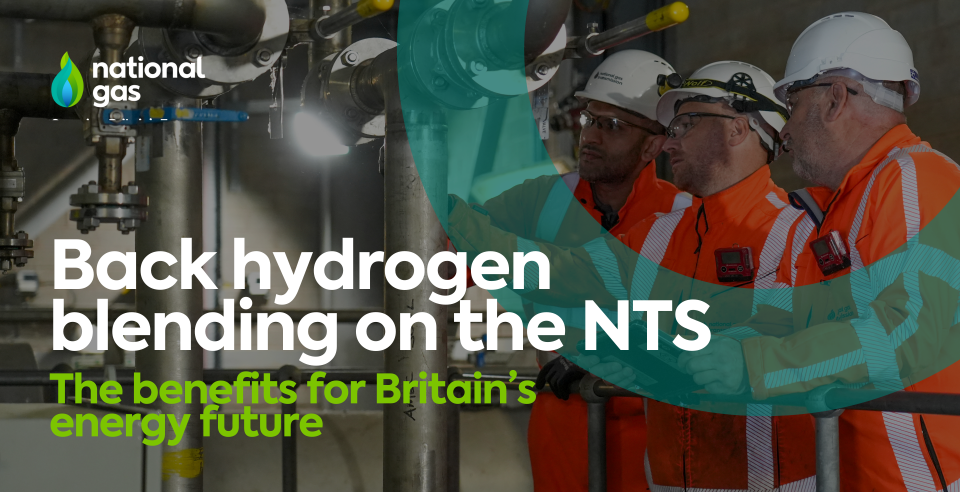
As the UK accelerates towards net zero and delivers on its Clean Power 2030 ambitions, hydrogen is emerging as a cornerstone of the energy transition. One practical and cost-effective way to integrate hydrogen into our energy system is blending, introducing a small percentage of hydrogen into the existing natural gas network. This approach leverages the infrastructure we already have, enabling progress without waiting for entirely new systems to be built.
What is blending?
Blending involves mixing hydrogen with natural gas in the National Transmission System (NTS). Initial blends of up to 5% are proven feasible with minimal impacts to the network and require minimal changes for customers. This step creates an immediate route to market for hydrogen producers, helping to kick-start the hydrogen economy while maintaining reliability for users.
Why does it matter?
Blending is more than a technical solution; it’s a strategic enabler for investment and decarbonisation. At present, hydrogen producers must rely on securing specific end-users, which creates uncertainty and limits project viability. Blending on the National Transmission System changes this dynamic by providing a guaranteed route to market, effectively making every NTS user a potential hydrogen customer and removing a major barrier for producers.
This certainty means hydrogen producers no longer have to worry about finding enough customers to buy their product. By guaranteeing a route to market, blending removes that barrier and makes projects easier to finance. It could make up to 40% of planned hydrogen production commercially viable, unlocking investment and accelerating the UK’s energy transition.
By lowering subsidy requirements for green and blue hydrogen and improving project viability, blending can unlock £6 billion in capital investment by 2035. It also supports the UK’s Clean Power 2030 goals and helps build a competitive homegrown hydrogen market.
Proven in Practice: FutureGrid and Brigg
National Gas is not just talking about hydrogen blending, we’re delivering it.
FutureGrid is our flagship innovation programme designed to test hydrogen blends in a safe, controlled environment. Using a specially built network that mirrors the National Transmission System, FutureGrid has successfully demonstrated that hydrogen can be transported through existing pipelines without compromising safety or reliability. We carried out tests using blends of 2%, 5% and 20% hydrogen with natural gas, as well as 100% hydrogen. These trials have provided critical evidence to regulators and policymakers, proving that blending is technically feasible and ready for scale-up.
Building on this success, in October 2025, Centrica and National Gas successfully completed a landmark trial, marking the first time hydrogen has been blended into the National Transmission System (NTS). The Brigg trial involved National Gas injecting a 2% blend of green hydrogen into the NTS, which was then used at Centrica’s Brigg Power Station to generate electricity for the grid. This trial not only demonstrated the end-to-end potential for hydrogen to decarbonise critical energy infrastructure, but also provided clear evidence that blending can be effectively implemented at scale.
Together, FutureGrid and Brigg show that blending is not just a concept, it’s a practical solution that can be deployed today to accelerate the UK’s hydrogen economy.
Working with Government and Industry
National Gas recently responded to the government’s consultation on hydrogen blending at transmission level. Our key recommendations include:
- Urgent endorsement of blending as a strategic policy decision, starting with an initial 2% blend, and moving up to 5% hydrogen in the National Transmission System. This aligns with European approaches and provides a clear pathway for creating and scaling up our domestic hydrogen economy.
- Clear timelines for bringing blending into the gas network and regulatory certainty to enable investment and infrastructure readiness ahead of final decisions.
- Addressing certification and emissions accounting challenges, such as how hydrogen use will be measured and verified for carbon savings and ensuring alignment with the UK Emissions Trading Scheme (ETS), which sets limits and trading rules for greenhouse gas emissions. This will likely stimulate demand for hydrogen blends whilst enabling end-users to decarbonise at an early stage.
Blending is cost-neutral to government, improves financing conditions for hydrogen projects, and delivers significant environmental and economic benefits. It is a practical, scalable step towards a cleaner energy future, one that requires decisive policy support now.
What’s next?
National Gas stands ready to work with government, industry, and stakeholders to make blending a reality. By acting now, we can accelerate hydrogen adoption, secure investment, and ensure the UK remains at the forefront of the global energy transition.
Related News
View Media & Insights
14 November
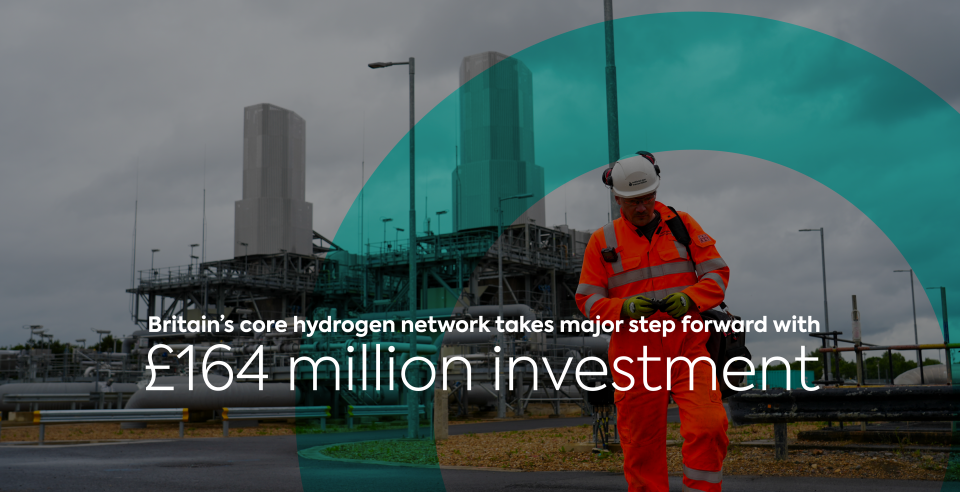
Britain’s core hydrogen network takes major step forward with £164 million investment
Find out more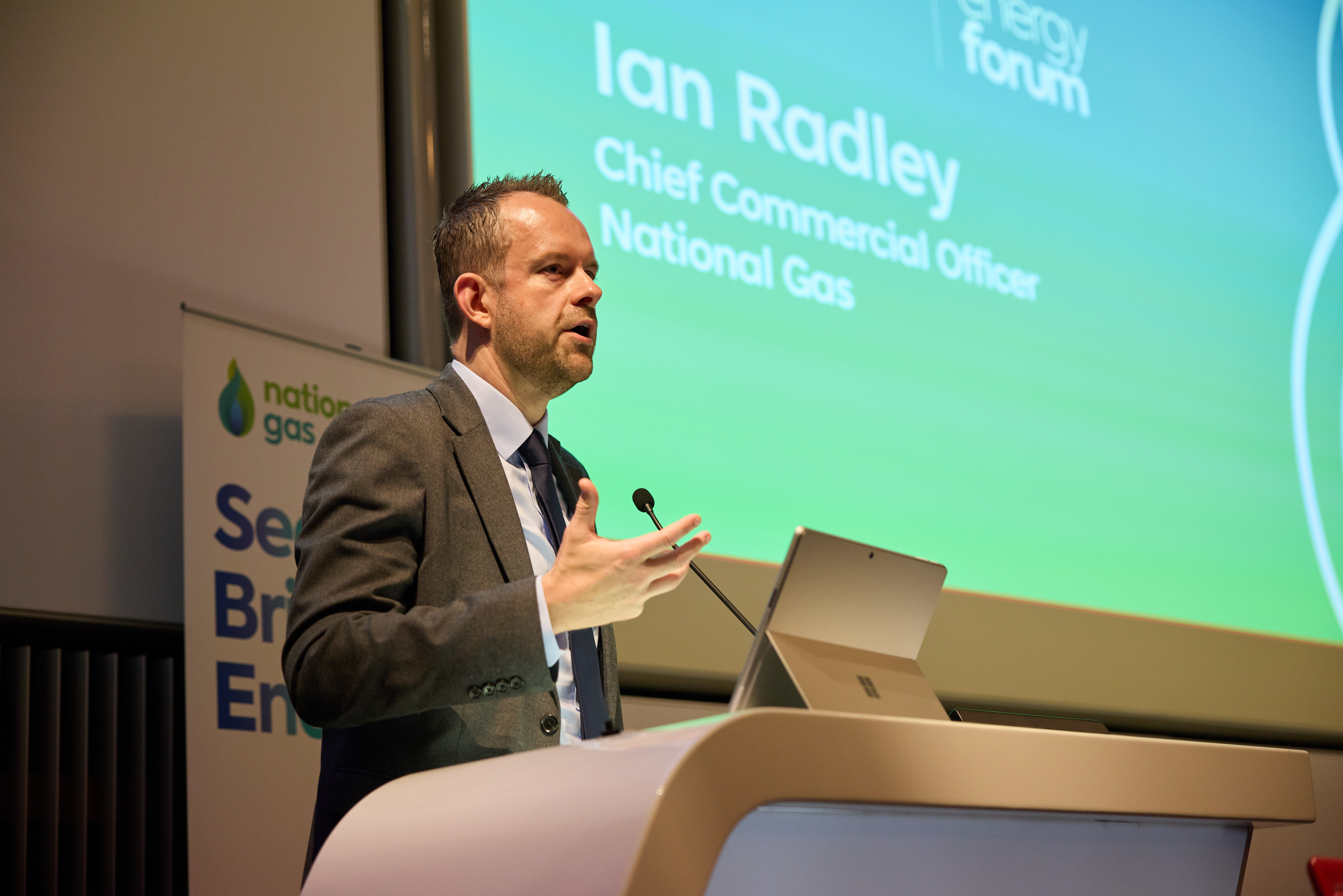
24 October
Autumn Budget and Beyond: Proposals to cement Britain’s place as a Clean Energy Superpower
Find out more