
Network Emergency Co-ordinator (NEC)
As an independent body, the NEC has responsibility for declaring a Network Gas Supply Emergency (NGSE) and for co-ordinating actions to minimise the safety consequences.
NEC Exercises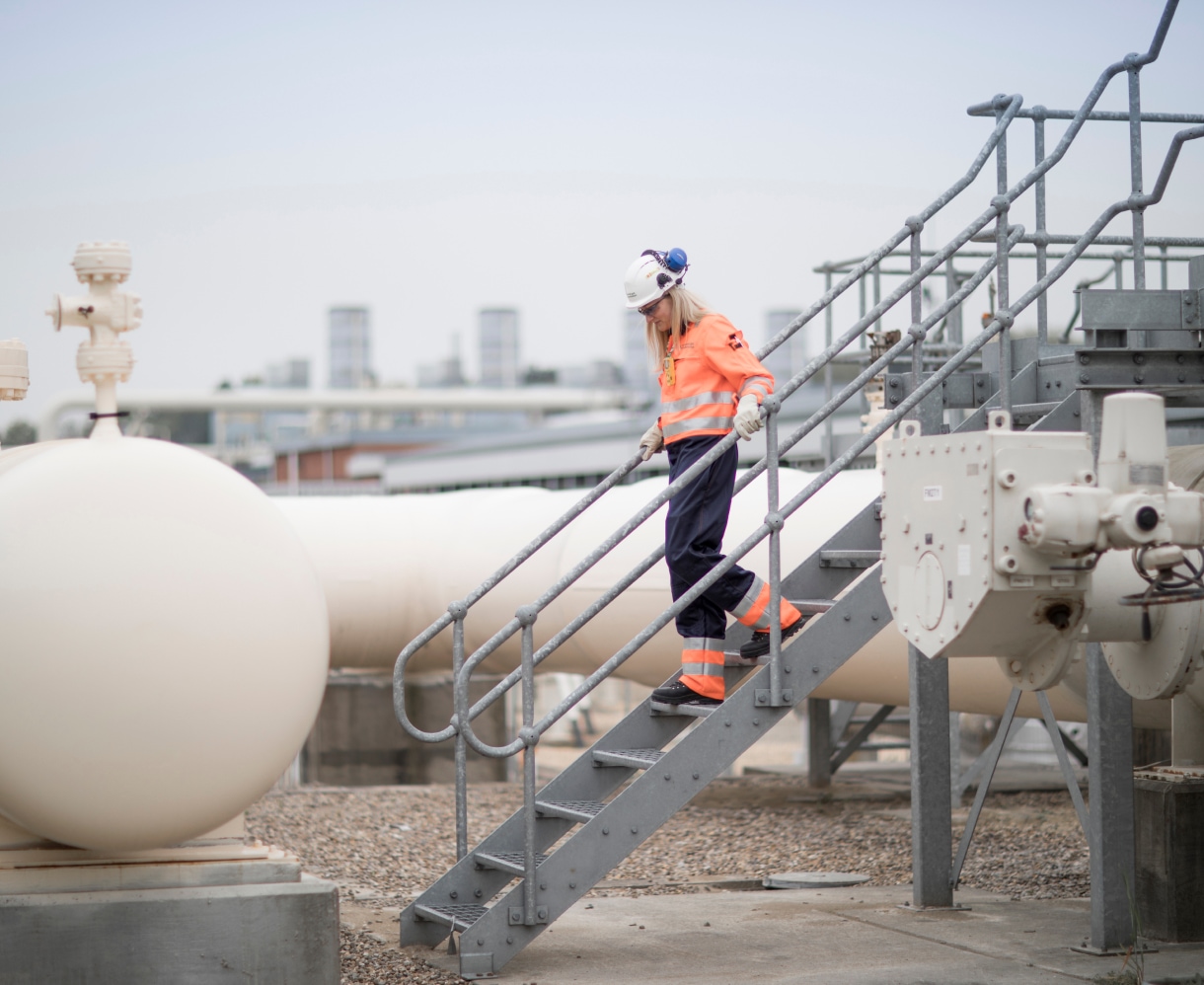
About The NEC
The Network Emergency Co-ordinator (NEC) is an independent body that sits outside of all energy companies. It is independent from any commercial interests of gas industry participants. The NEC has responsibility for declaring a Network Gas Supply Emergency (NGSE) if National Gas alerts it to an actual or potential loss of pressure, in any part of the gas network, which cannot be solved via commercial means.
In this circumstance, the NEC has complete authority to direct flows of gas on and off the gas network, to protect those who would be in greatest danger if they lost their gas supply. Industry participants, such as gas transportation and gas shipping companies, have a legal duty to cooperate with the NEC. Failure to comply with the NEC’s directions is a criminal offence. It requires an order in privy council for any wider stakeholder to direct the NEC to take action outside the obligations set out by the HSE in its Safety Case.
Balancing supply and demand
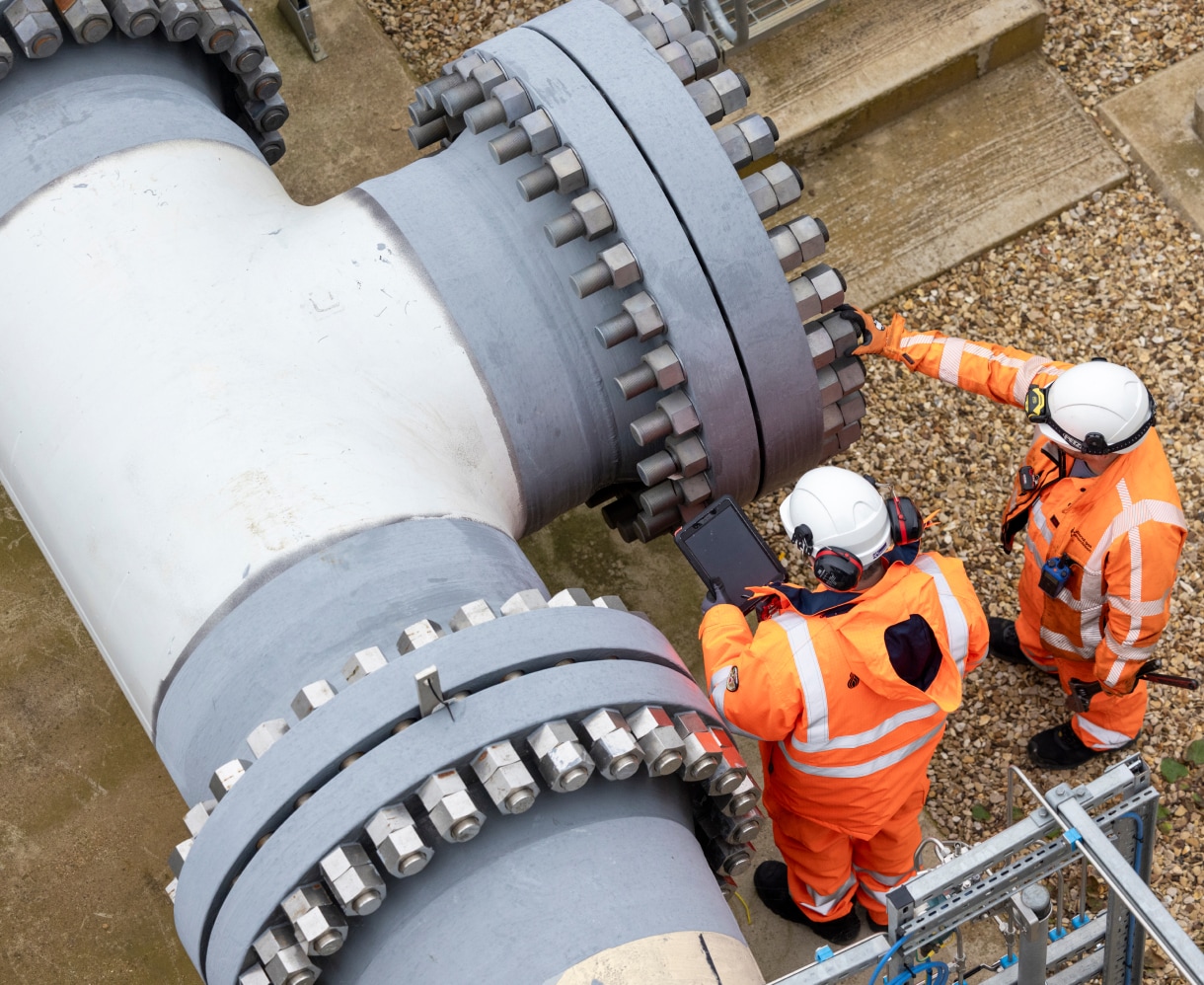
The NEC can take various actions during an NGSE to restore a supply/demand balance, such as:
- Widening gas quality limits to maximise the supply of gas.
- Following a load protocol to run down industrial demand.
- Making public appeals to reduce the use domestic of gas.
- Managing domestic supply as a last resort.
These actions are impactful. They are only undertaken if the market has failed, and they are vital to prevent the health and safety implications of a loss of pressure on the gas network. Once gas supplies have been restored to the network, the NEC would declare the emergency over and normal operation would resume.
Network Gas Supply Emergency (NGSE)
Gas Safety (Management) Regulations 1996 (GS(M)R) define a supply emergency as “an emergency endangering persons and arising from a loss of pressure in a network or any part thereof”.
The NEC Safety Case defines an NGSE as a potential, or actual, supply emergency on the Primary System (National Transmission System) managed by the Primary Transporter.
The NEC is responsible for co-ordinating actions across the affected parts of the network to take action to prevent, as far as possible, a gas supply emergency developing, and where it cannot be prevented, to take timely decisions to minimise the safety consequences.
Every year, we carry out a major NEC assurance exercise to test emergency response procedures among all participants.
Smell gas or suspect a leak?
Call 0800 111 999 *
(24 hours a day – free to call)
To report a gas or carbon monoxide emergency, or if a pipeline is struck (even if no gas leak has occurred) call the National Gas Emergency Service immediately on 0800 111 999 or via textphone (minicom) on 0800 371 787.
If you’re a British Sign Language (BSL) user, you can use SignLive to contact the National Gas Emergency Service free of charge.
*All calls are recorded and may be monitored